Authentic Heart Font for Business Branding
As a small business owner, I’ve learned that even the smallest details can make a big difference in how customers perceive your brand. One of the most impactful choices I’ve made recently was selecting the Authentic Heart font for my packaging and marketing materials. This handwritten script font has brought a fresh, warm energy to my brand, making it feel more personal and inviting.
What Is Authentic Heart?
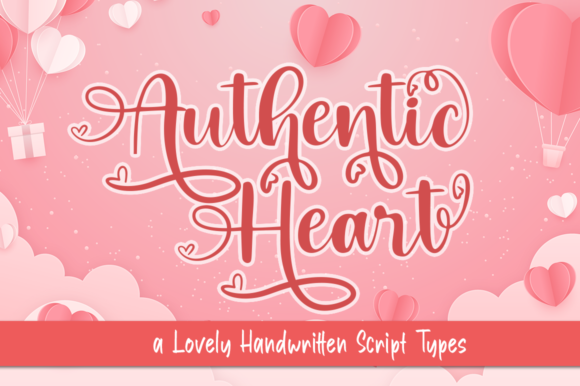
Authentic Heart is a sweet, all-round, and flexible handwritten font that exudes warmth, romance, and jolliness. It’s part of the Script Amp collection, designed for those who want to add a human touch to their design work. The font’s natural flow and soft curves give it a friendly, approachable vibe that feels like a personal message rather than a corporate logo.
Its personality makes it ideal for businesses that want to stand out with a unique, expressive style. Whether you’re a baker, candle maker, or boutique owner, Authentic Heart adds character without overwhelming your design. It’s a premium font that works well in both digital and print formats, offering versatility for different branding needs.
Real-World Use Cases
I first used Authentic Heart on my bakery’s product labels. The font’s flowing lines gave the packaging a handcrafted feel, which aligned perfectly with the artisanal nature of my products. It made each label look like a little love note, reinforcing the idea that every item was made with care.
Later, I applied it to my café’s menu redesign. The font added a romantic touch that complemented the cozy atmosphere of the space. It worked especially well for headings and special offers, drawing attention without being too flashy. Customers noticed the change, and many commented on how the new design felt more welcoming.
For my online shop banners, Authentic Heart helped create a cohesive visual identity across platforms. It paired beautifully with a clean sans serif font for body text, ensuring readability while maintaining an elegant aesthetic. The font also looked great on social media graphics, where it added a personal flair to promotional posts and Instagram stories.
How Authentic Heart Enhances Branding
Typography plays a crucial role in shaping a brand’s identity. A well-chosen font can communicate professionalism, creativity, or approachability. Authentic Heart does all of these things without being overly ornate. Its simplicity allows it to blend seamlessly into various design elements, from logos to packaging, while still standing out as a distinctive feature.
When used on product labels, it helps build trust by giving the impression of authenticity and craftsmanship. On business cards, it creates a memorable first impression that feels genuine. For digital ads and website banners, it adds a human element that resonates with audiences looking for something more personal than generic design templates.
Best Practices for Using Authentic Heart
Authentic Heart shines best in headlines, short phrases, and decorative accents. It’s not ideal for long blocks of text due to its cursive style, but it works wonders when used strategically. For example, pairing it with a modern sans serif font can balance the design and improve readability, especially on small labels or mobile screens.
When using it on printed materials, ensure the font size is large enough to maintain legibility. For social media thumbnails, keep the text concise and centered to avoid clutter. If you’re designing for an online shop, consider using it for product titles or promotional banners to draw attention without overwhelming the viewer.
Font Pairing and Design Tips
Pairing Authentic Heart with a clean, neutral font like a sans serif or serif typeface can create a balanced and professional look. For instance, using it for headings and a simple serif font for body text can elevate the overall design while keeping it easy to read.
It also pairs well with other script fonts for a layered effect, though this should be done sparingly to avoid visual chaos. When working with multilingual content, check if the font supports the necessary characters to ensure consistency across all languages.
Before finalizing any project, always test the font in different sizes and contexts. Make sure it looks good on both light and dark backgrounds, and verify that it meets the requirements for commercial use if you’re planning to sell products or offer client work.