Byron Bay Font: Handmade Elegance
There’s something about the way Byron Bay flows across a page that feels like a warm breeze on a summer day. I was designing a candle label when I first fell in love with this font. The soft curves and delicate swashes gave my labels a personal, artisanal touch that made them stand out on the shelf.
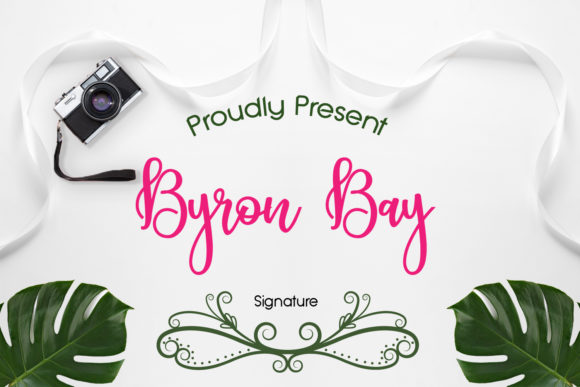
Byron Bay is a handwritten script font that brings a sense of authenticity to any design. Its fluid lines and expressive style make it perfect for handmade products, from greeting cards to wedding invitations. It has a friendly yet refined personality, making it ideal for brands that want to feel approachable and elegant at the same time.
One of the things I appreciate most about Byron Bay is how versatile it is. I’ve used it for farmhouse signs, printable wall art, and even seasonal tags. The font’s natural look adds a handmade quality to digital downloads, which is essential when creating printable templates for planners or stationery.
When I’m working on a new product, I often start by sketching out ideas on paper before moving to the computer. Byron Bay fits seamlessly into that process. Whether I’m adding text to a tote bag design or creating a mockup for a listing image, the font’s charm helps bring my vision to life without feeling too formal or rigid.
For small businesses, consistency is key. Byron Bay helps maintain a cohesive brand identity across all materials. I use it on packaging, product tags, and even social media graphics. The font’s unique character makes it easy for customers to recognize my work, which builds trust and loyalty over time.
Readability is important, especially when working with cutting machines or small stickers. Byron Bay is legible at most sizes, but I always test it on different surfaces before finalizing a design. For example, when creating labels for candles, I make sure the font looks clear on both white and dark backgrounds. It also works well with bold colors, adding visual interest without overwhelming the design.
Pairing Byron Bay with other fonts can enhance its impact. I often combine it with a clean sans serif for headings or a simple serif for body text. This contrast creates balance and keeps the design from feeling too busy. When working on a wedding invitation, for instance, I might pair Byron Bay with a classic serif to add a touch of sophistication.
One of the reasons I keep coming back to Byron Bay is its PUA encoding. This means I can access all the glyphs and swashes without needing special software. It gives me more creative freedom when designing custom text for labels, signs, or printable items. I’ve even used it for decorative wording on holiday tags, where the extra details really shine.
When I’m preparing a new batch of printable wall art, I make sure to check the font’s file formats and licensing. Byron Bay comes in multiple styles, which is helpful when creating different versions of the same design. I also pay attention to multilingual support, especially if I’m designing for international customers or collaborating with others.
For those who run a handmade shop, Byron Bay offers a way to elevate their branding without breaking the bank. It’s a premium font that feels high-end but remains accessible for small creators. I’ve used it on everything from mugs to boutique tags, and each time it adds a layer of thoughtfulness to the product.
Seasonal projects are another area where Byron Bay really stands out. I’ve designed Christmas cards, springtime signs, and summer-themed stickers using the font. Its flexibility allows it to adapt to different themes while maintaining a consistent style. It’s also great for creating mockups that showcase how a design will look in real life.
Whether I’m working on a single item or a full collection, Byron Bay helps me express my creative voice. It’s not just a font—it’s a tool that brings warmth and personality to every project. From candle labels to digital printables, this script font has become an essential part of my design process.
I’ve found that Byron Bay works best for short phrases, names, and titles. It’s less suited for long paragraphs, but that’s okay. Its beauty lies in its ability to highlight key elements rather than fill space. When I need to add decorative wording to a sign or a sticker, this font never disappoints.
For anyone looking to add a handmade touch to their products, Byron Bay is a must-have. It’s a font that feels personal, stylish, and adaptable. Whether you’re a crafter, a seller, or a designer, this typeface has the potential to transform your work in a meaningful way.
As I continue to explore new ways to use Byron Bay, I’m always impressed by how it enhances the overall look and feel of my designs. It’s more than just a font—it’s a creative companion that helps bring ideas to life with grace and charm.
From greeting cards to packaging, Byron Bay has proven itself as a reliable and beautiful choice for handmade businesses. Its blend of elegance and approachability makes it a favorite among makers who value both aesthetics and functionality.
Whether you're printing labels, creating digital downloads, or designing seasonal items, Byron Bay adds a touch of authenticity that resonates with customers. It’s a font that speaks to the heart of handmade craftsmanship and the joy of creating something unique.
With its smooth curves and expressive style, Byron Bay is a font that feels alive. It’s the kind of typeface that makes you want to write more, design more, and create more. For anyone passionate about handmade products, this font is a true asset.
As I continue to use Byron Bay in my work, I’m reminded of how powerful a good font can be. It’s not just about the letters—it’s about the emotion, the story, and the connection between the creator and the customer. And that, in the end, is what makes handmade work so special.